
Metiri

Virtual Fitting App

No more waiting lines. No more wrong sizes
A disruptive app that lets you scan your body and try clothes virtually.

Role

User Research, Problem Definition, UX Flow Design, Wireframing, UI Design, Prototyping, Branding & Visual Identity, Presentation & Storytelling


Project Overview

As part of my final project at John Bryce College, we worked in pairs with the challenge of creating a disruptive technology app.

Through brainstorming we explored industries that could be disrupted, and identified the sizing problem in fashion. From there, the idea for Metiri was born – a virtual fitting app that helps users find the right size without fitting rooms or returns.

Problem Statement

Shopping for clothes – whether online or in-store – often comes with frustration.
Customers struggle to find the right size, spend time waiting in fitting rooms, or deal with the hassle of returns.

This creates wasted time, lower customer satisfaction, and increased costs for retailers.

Solution

Metiri was designed to eliminate the need for physical fitting rooms and reduce returns by introducing a virtual body scanning experience.
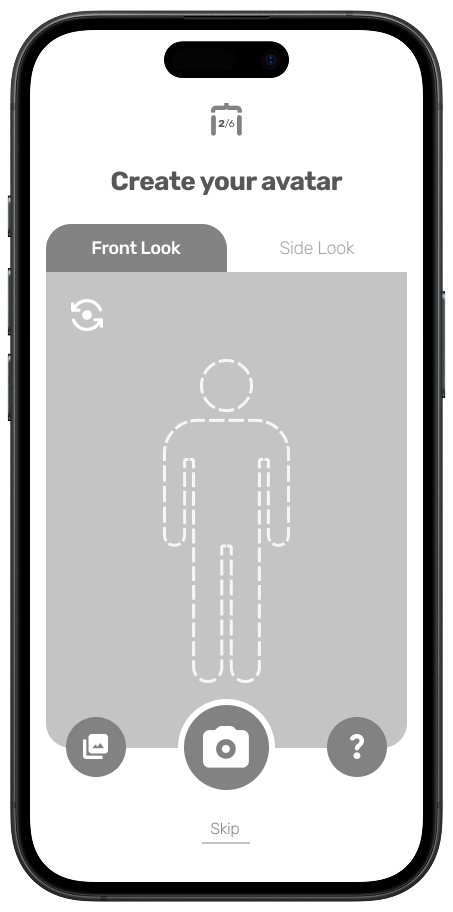
With just two photos (front & side), the app generates a personal avatar and accurate body measurements.
Users can then try clothes virtually, mix outfits, and shop with confidence.

This creates a disruptive shift in fashion retail – saving time, improving accuracy, and enhancing the customer experience.

Design Process

The design process of Metiri followed a structured UX approach – starting from research and user insights, moving through wireframes and prototypes, and ending with a polished UI design.

We began by creating user personas to understand different shopping behaviors, then translated these needs into user flows, wireframes, and finally a complete visual design.

SWOT Analysis

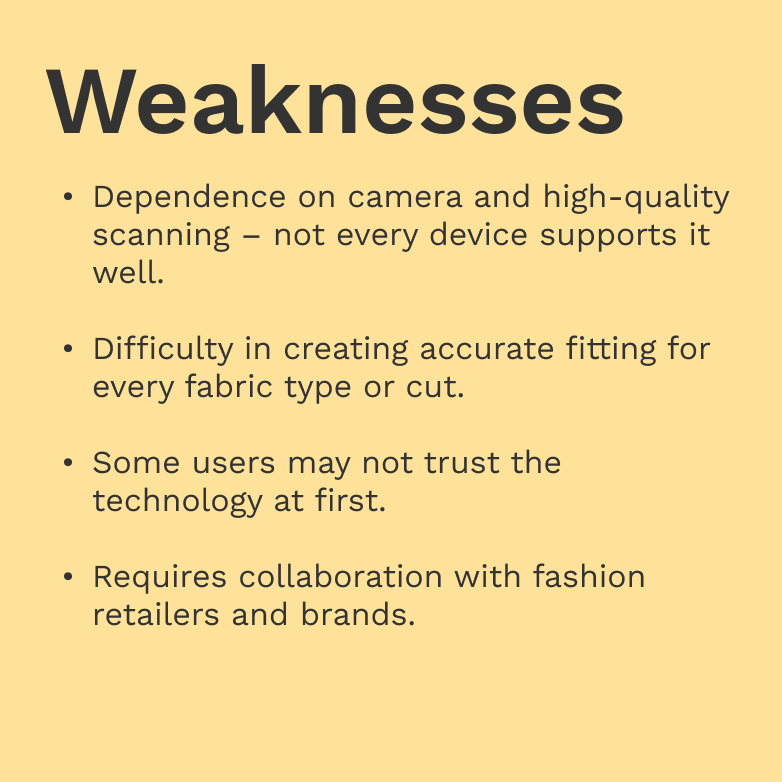
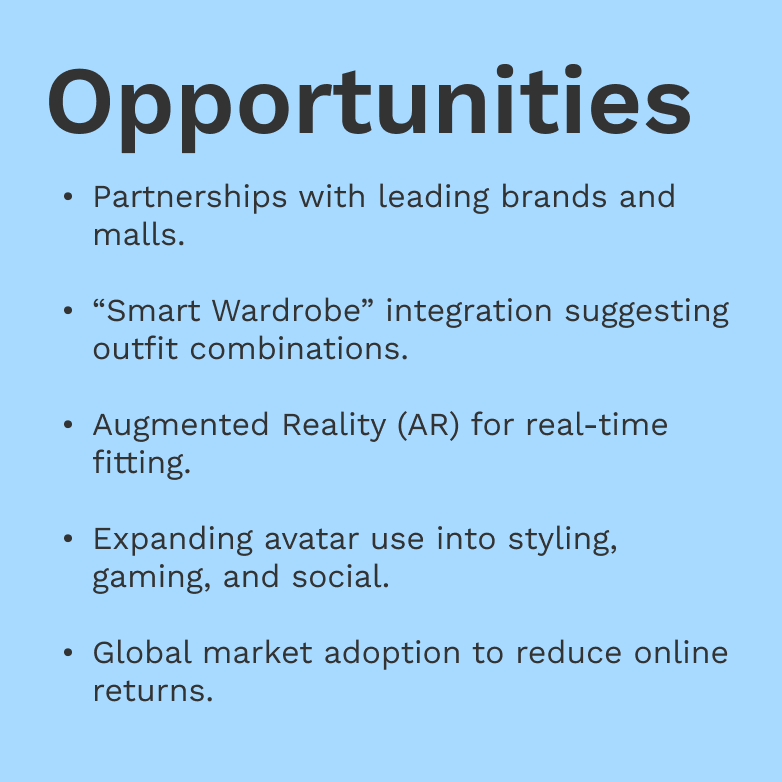
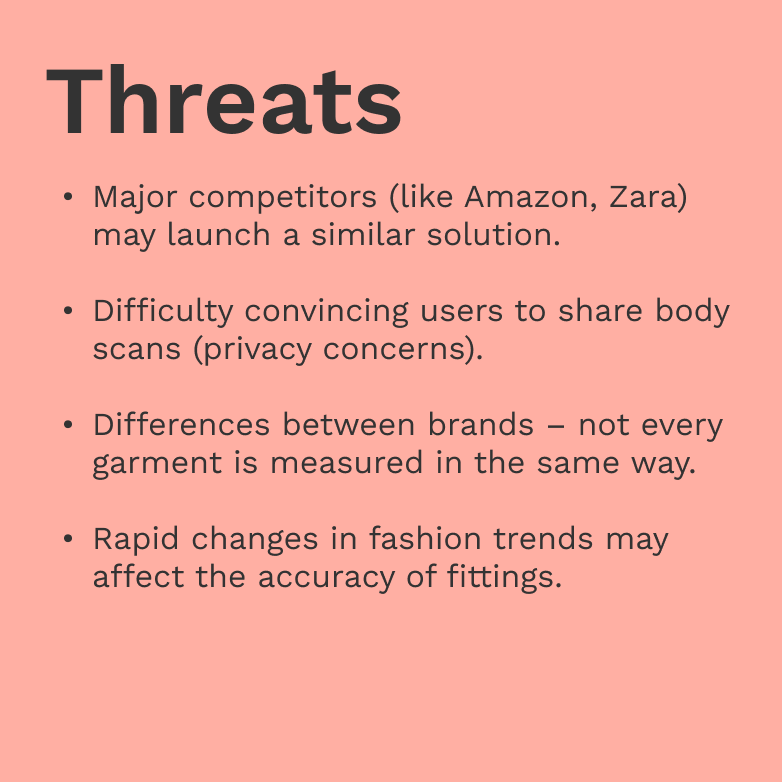
To evaluate Metiri’s potential as a disruptive solution, we conducted a SWOT analysis.
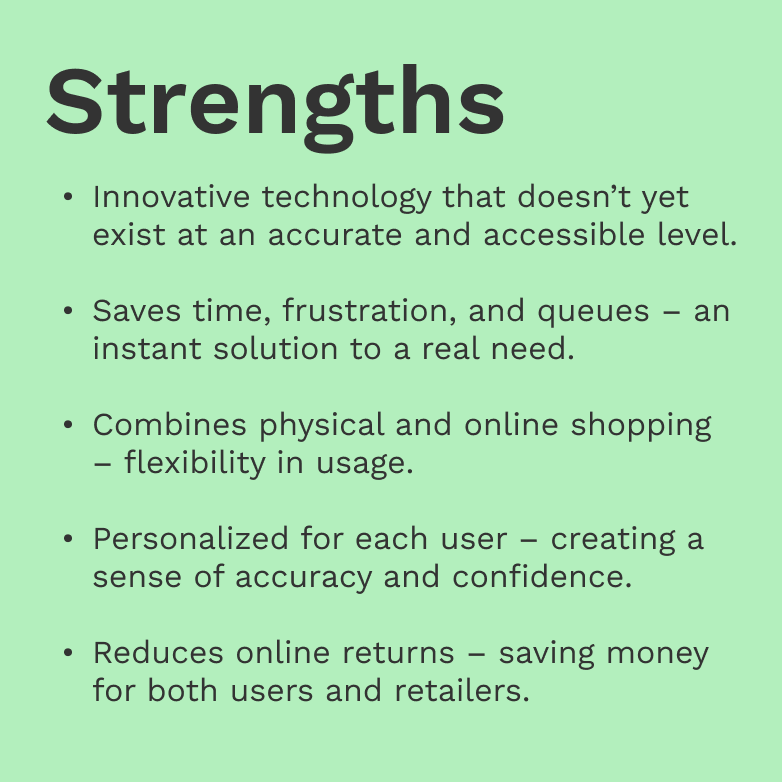
This helped us highlight the app’s strengths (personalization, convenience, efficiency), identify its weaknesses (technology adoption barriers, hardware limitations), explore opportunities (partnerships with brands, integration with AR), and understand possible threats (competition from e-commerce giants, fast market shifts).

User Personas

To better understand our target audience, we created several user personas.
Each persona represents different shopping behaviors, frustrations, and goals – from professionals looking for efficiency to young users seeking style and inspiration.
These personas guided our design decisions and ensured that Metiri addresses real user needs.

Or Lavi

Or Lavi, 26 Fitness Trainer

Or is a young fitness trainer who values efficiency and confidence. He wants quick and accurate sportswear fitting that saves him time, so he can focus on training and motivating others.

Noa Shalev, 20 Design Student

Noa is a creative fashion student who loves experimenting with new styles. She looks for trendy outfits that fit her well, while keeping shopping fun, fast, and affordable.

Ido Saar, 32 Product Manager

Ido is a busy professional who dislikes wasting time on fittings. He needs reliable size recommendations that make online shopping efficient, accurate, and stress-free.

Shiri Navon, 34 Marketing Manager

Shiri is a marketing manager and a mother who often juggles work and family. She needs stylish, professional outfits that fit right the first time, saving her time and giving her confidence in her look.
User Scenario

One evening at home, Or remembered a story his friend told him about Metiri – an app that lets you try on clothes effortlessly. Curious, he downloaded the app to prepare for an upcoming photoshoot.

He created his personal avatar by taking a front and side photo and entering his body measurements. Within minutes, Metiri created his avatar and suggested several shirts to try on virtually.

He chose one, saw that it fit well, saved it to his favorites, completed a quick sign-up, and finally shared the result with his friends.

This journey transformed a casual discovery into a smooth and satisfying experience – from scanning to styling with confidence.

User Flow

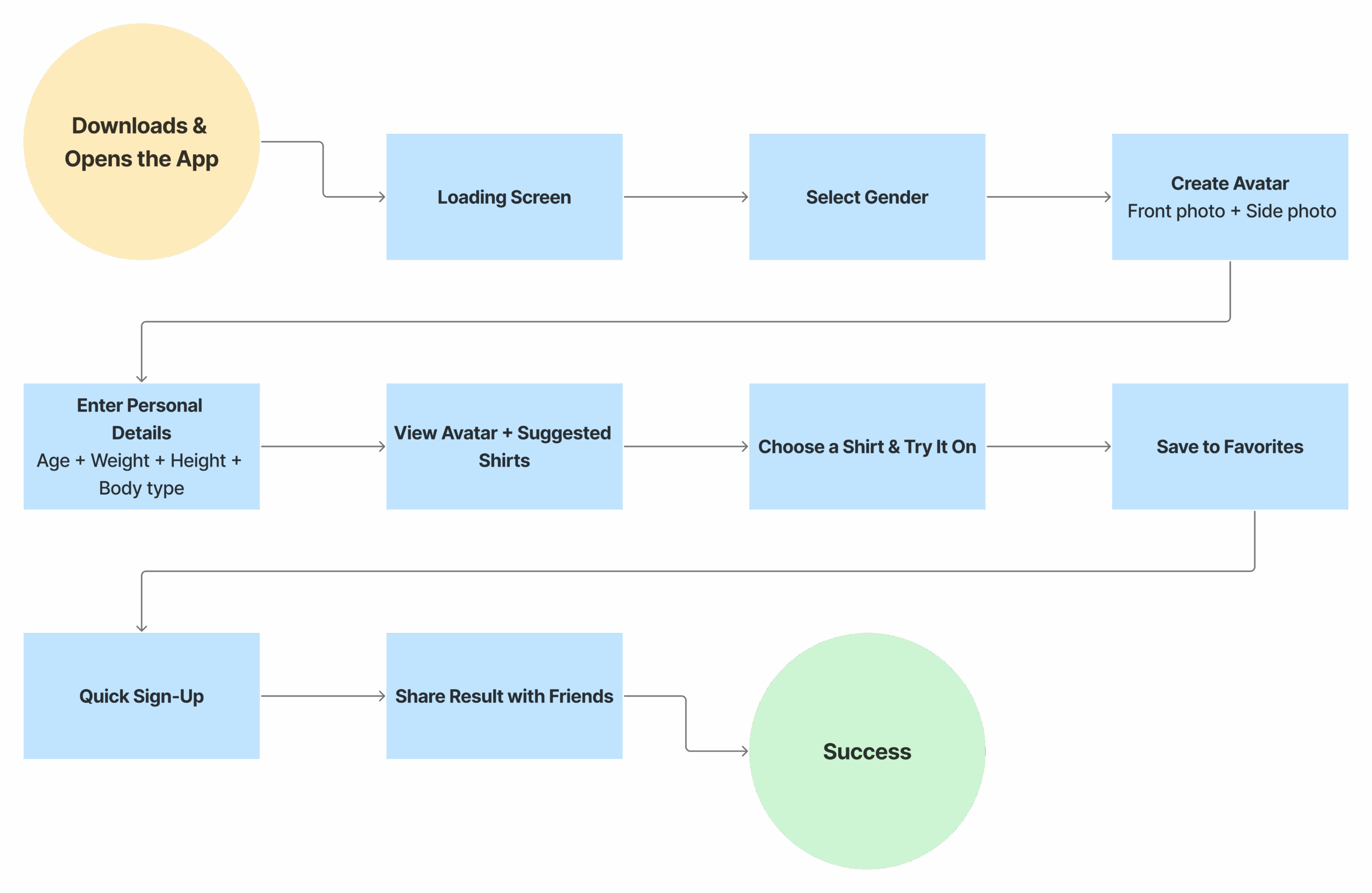
The user flow shows the main steps in Metiri: download the app, enter details, create an avatar with two photos, view suggested outfits, try them on virtually, save favorites, and share results.
This process keeps the experience simple, fast, and intuitive.

Wireframes

To visualize how Metiri would look and function, we created low-fidelity wireframes.
These early sketches helped us map out the main user flows – from onboarding and body scanning to creating an avatar and selecting clothes.
Wireframes allowed us to test ideas quickly, refine layouts, and focus on usability before moving on to high-fidelity designs.
This stage ensured that the app’s core experience is intuitive, simple, and aligned with the needs of our users.

Splash Screen​

Splash Screen

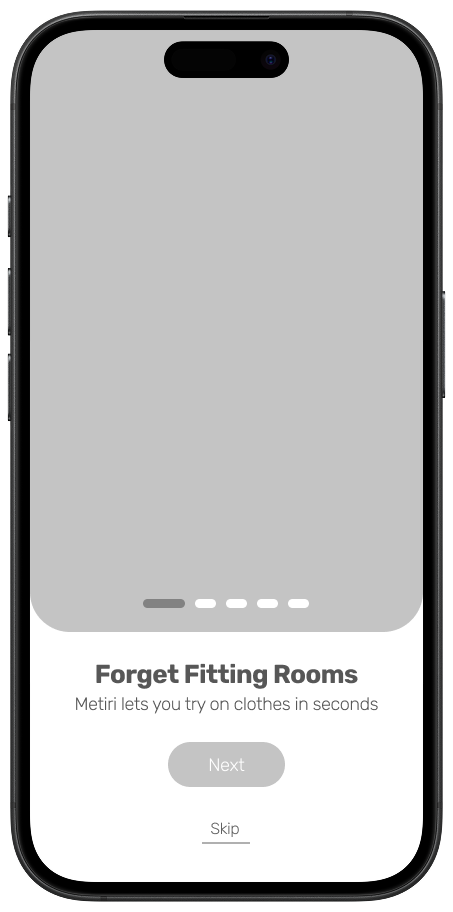
Onboarding

Create Avatar
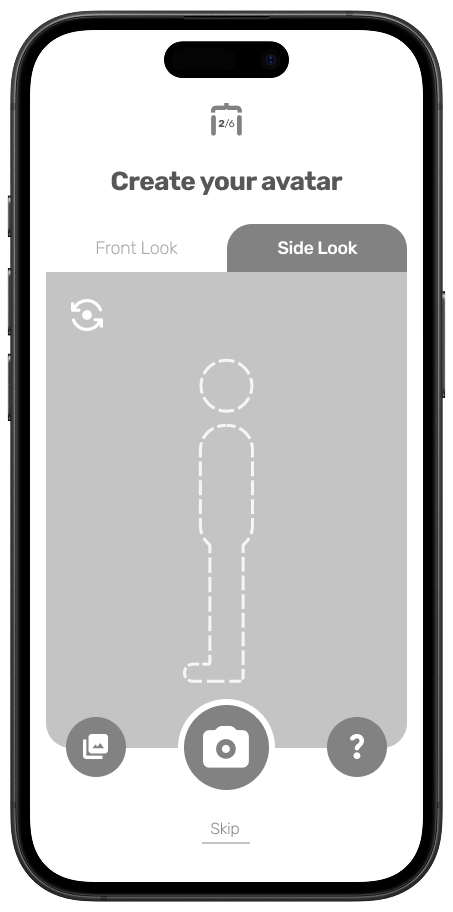
Create Avatar
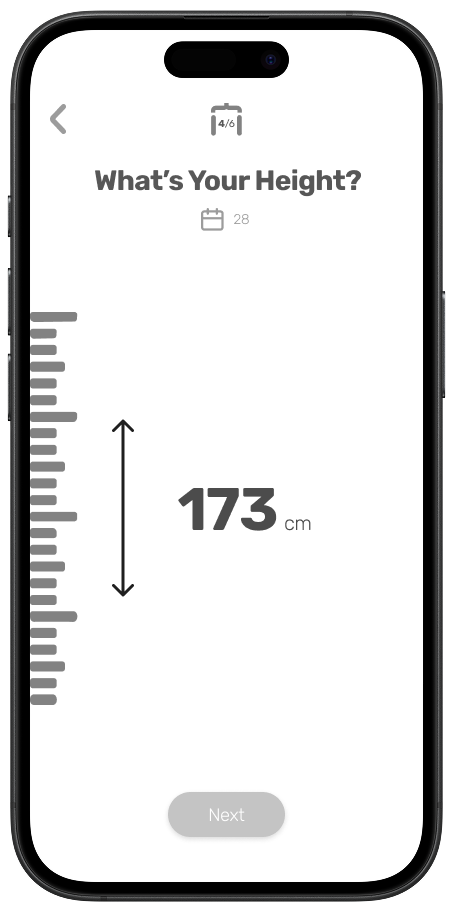
Measurements
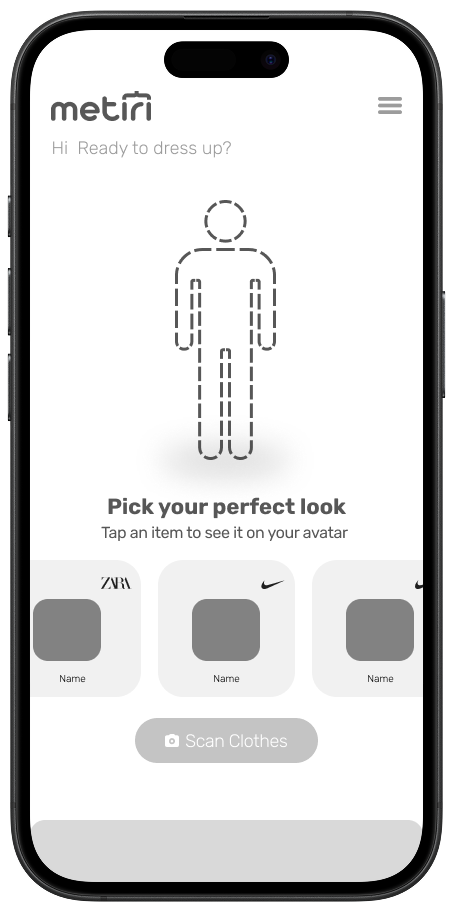
Home Screen
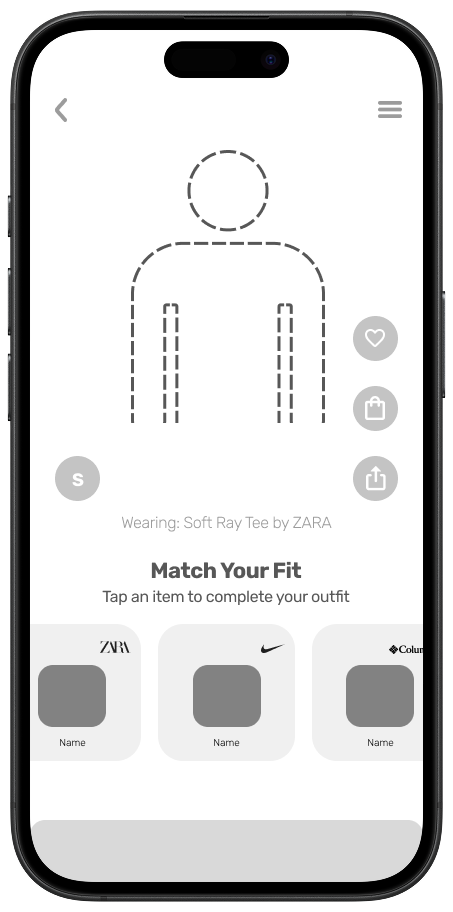
Fitting Room
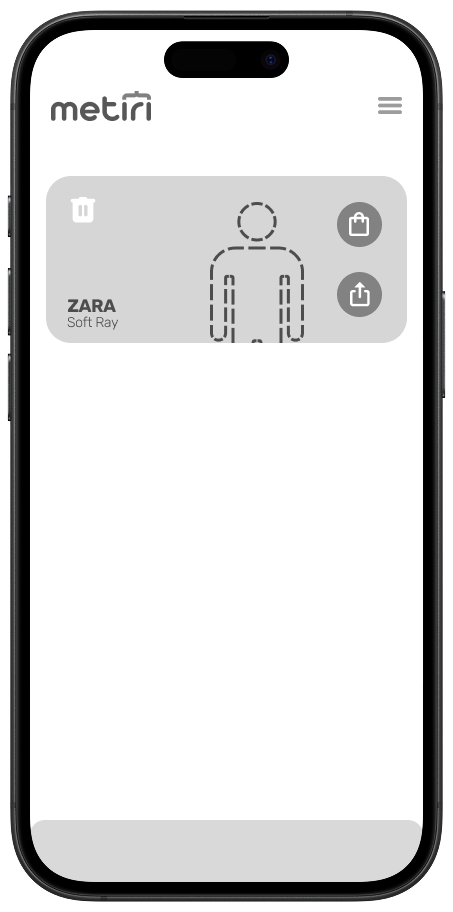
Favorites


Design System

Logo

Colors

Typography

UI Screens

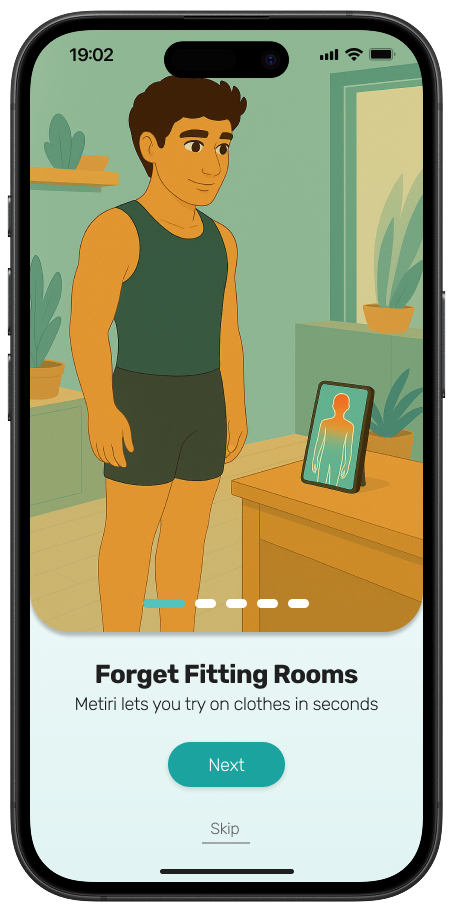
Onboarding​

Explains how the app works and guides users through their first steps.
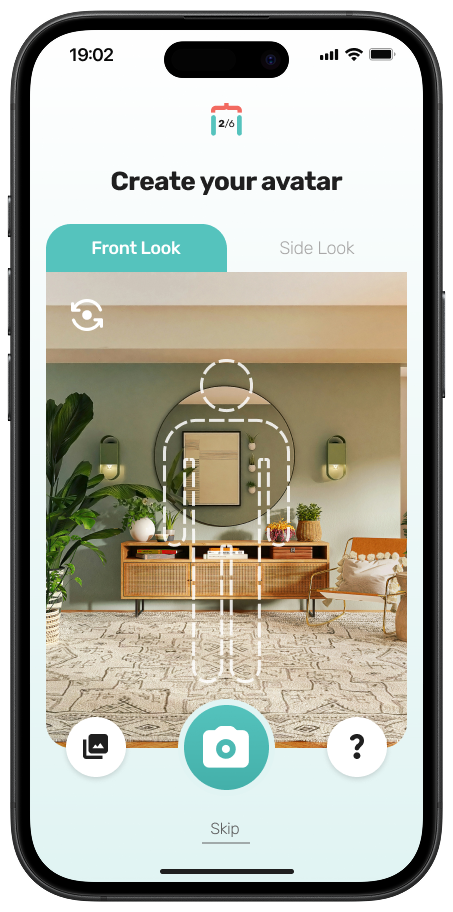
Create Avatar

Guides the user to scan their body and generate a personalized avatar.
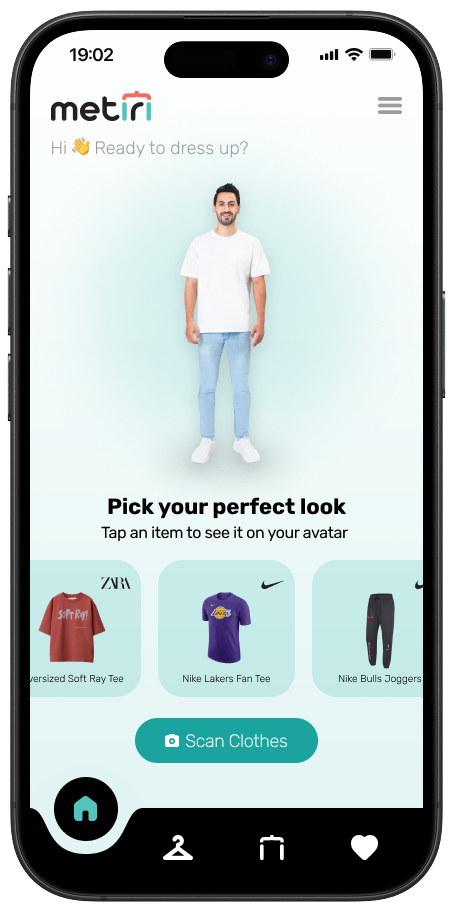
Home Screen

Central hub where users browse and pick outfits to try on their avatar.
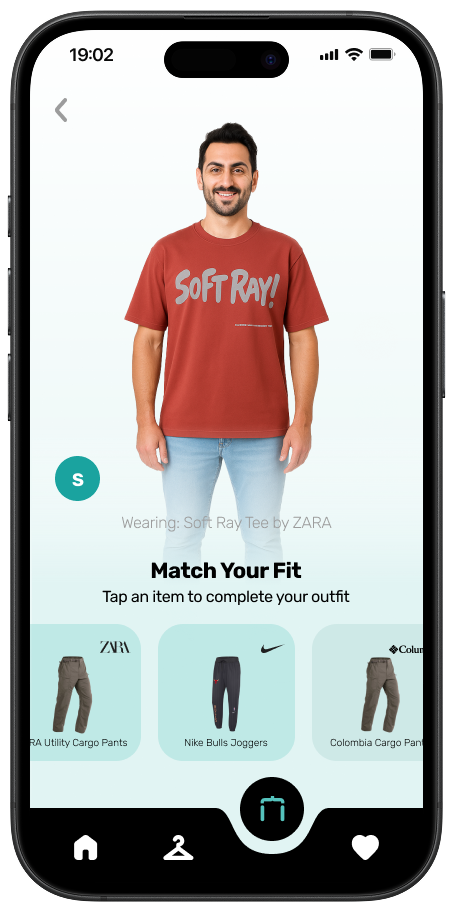
Fitting Room

Virtual try-on experience that helps users visualize how clothes fit in real time.

Prototype

Here’s the interactive prototype that demonstrates the full user flow — from scanning to trying on clothes virtually.

Reflection

Working on Metiri taught me how to simplify a complex user journey into a seamless and engaging experience. I learned how to communicate advanced technology — like body scanning and virtual avatars — in a way that feels natural, intuitive, and fun for the user. If I had more time, I would expand the personalization features and explore deeper integrations with fashion retailers to create an even smoother shopping journey.

Enjoyed
My Work?

Looking for my next design challenge — if you’re hiring or have a project in mind, I’d love to connect.

en_USEN
Scroll to Top